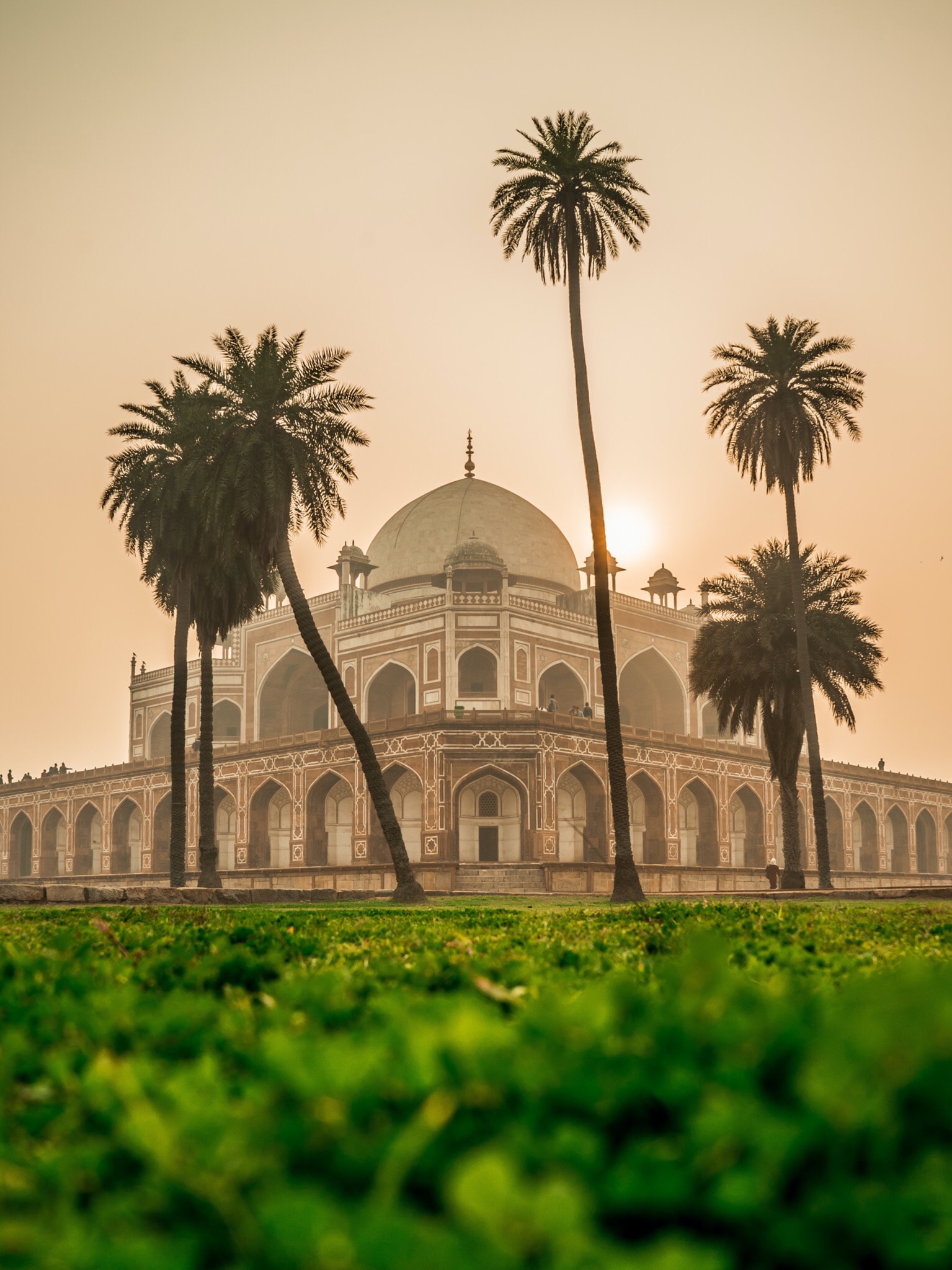
A first trip to India can be one of the most exciting journeys you ever take, but it also helps to arrive with realistic expectations. This is not a destination where everything unfolds quietly in the background. India is busy, expressive, colourful, crowded, unpredictable and often brilliant all at once. For many first-time visitors, the key is not trying to prepare for every possible scenario, but understanding a few essentials before you land so the experience feels rewarding rather than overwhelming.
That preparation starts earlier than many people think. When booking flights to India, it is worth thinking about the arrival experience as much as the fare itself. A cheap route with multiple stopovers and a middle-of-the-night arrival can feel a lot harder when you are stepping into a completely new environment. Simpler flights to India, especially for a first visit, can make those first few hours much smoother and leave you with more energy to settle in properly.
Get your visa sorted early
One of the most important jobs to do before travelling is checking your visa requirements properly. India has different entry rules depending on your nationality, the purpose of your visit and how long you plan to stay. Some travellers can apply online, while others may need a different route. The safest approach is to deal with it well in advance rather than leaving it until the final days before departure.
Keep digital and printed copies of important travel documents, including your passport, visa confirmation, accommodation details and return flight information. It may feel excessive before you leave, but having everything easy to access can save time and stress if you need to show proof of onward travel or confirm your hotel details on arrival.
Expect a big sensory shift
One of the biggest surprises for first-time visitors is how immediate India feels. The pace, the traffic, the sound, the colour and the sheer volume of people can all hit at once, particularly if you arrive in a major city. Even experienced travellers sometimes find those first few hours disorienting.
That does not mean your trip is off to a bad start. It simply means India tends to make a strong first impression.
The best thing you can do is make your first day lighter than you think it needs to be. Pre-book your first hotel, arrange your airport transfer if possible, and avoid building an ambitious plan for the day you arrive. Give yourself time to shower, rest, eat something simple and take in your surroundings before trying to do too much.
Transport is manageable, but patience helps
Getting around India is possible in all sorts of ways, but the system may feel less intuitive at first than it does in some other countries. Big cities often have a combination of taxis, ride-hailing apps, metro systems, auto-rickshaws and trains, while smaller towns may rely more heavily on local taxis and rickshaws.
For your first airport journey, keep it simple. Use an official taxi service, a pre-booked transfer or a trusted ride app where available. Do not start your trip by bargaining with strangers outside the airport when you are tired and carrying luggage. Save yourself the energy.
In cities, traffic can be heavier than many visitors expect. Distances that look short on a map can still take a long time, so build extra space into your plans. If you are travelling between cities, trains can be a memorable part of the experience, but it is best to book ahead and understand the class you are choosing. Internal flights are often useful too, especially if you are trying to cover long distances in a short trip.
Cash, cards and paying for things
India is far more digital than many first-time visitors assume, but that does not mean you should rely on one payment method alone. In larger hotels, restaurants, shopping centres and many urban businesses, cards are widely accepted. In smaller shops, local cafés, market stalls, taxis and more casual settings, cash can still be very useful.
Bring at least two cards if you can, and keep some local currency on you for small everyday expenses. Smaller notes help for tips, snacks, transport and quick purchases. It is also wise to tell your bank you are travelling so your card activity abroad does not trigger unnecessary blocks.
Think of it as a balance. Cash gives you flexibility, while cards are useful for larger or more formal purchases. Neither should be your only plan.
Get connected as soon as you can
Having mobile data in India makes a huge difference. It helps with maps, ride-booking apps, hotel directions, messaging and general peace of mind. For that reason alone, it is worth deciding before you travel how you want to stay connected.
Some travellers prefer to arrange roaming with their home provider before departure. Others choose an eSIM or local SIM. Whichever route you take, the goal is the same: make sure you are not landing with no internet, no transport app and no easy way to contact your accommodation.
That first connection matters more than people realise. A working phone can turn a potentially stressful arrival into a much easier one.
Learn a few etiquette basics
You do not need to become an expert in Indian social customs before your trip, but some awareness goes a long way. India is incredibly diverse, and social norms can vary between regions, communities and settings. Even so, first-time travellers usually benefit from approaching situations with a little extra respect and observation.
Dress modestly, especially when visiting religious sites or more traditional areas. Remove your shoes when required. Ask before taking close-up photographs of people. Be aware that public behaviour that feels completely ordinary elsewhere may attract more attention in some places here. A calm, polite and respectful approach will usually take you a long way.
This is not about being perfect. It is about showing that you understand you are a guest in someone else’s culture.
Food is one of the best parts of the trip
For many visitors, the food becomes one of the defining memories of India. It can also be one of the things people worry about most before going. The easiest way to handle that is with common sense rather than fear.
Eat in busy places with a steady turnover. Be slightly cautious on your first couple of days rather than diving into the heaviest possible meal straight away. If you have a sensitive stomach, take it easy at first and stay hydrated. Bottled or otherwise safe drinking water is the sensible choice for most travellers.
That said, do not let anxiety stop you enjoying the food. India is one of the great eating destinations in the world, and part of the joy of travelling there is discovering how different dishes taste from one region to the next.
The pace can be different from what you expect
One of the most useful things to understand before your trip is that things may not always happen in a neat, linear way. Plans shift. Journeys take longer. Communication can occasionally be less direct than you expect. Some days run smoothly, while others require more patience.
That is not unique to India, but the contrast can feel stronger for first-time visitors. The more rigidly you try to control every hour, the more tiring the trip may become. Leave room for delays, changes and last-minute decisions. In India, flexibility is often a better travel skill than perfection.
You will probably be noticed
Depending on where you go, you may receive more attention than you are used to. In some places this may simply mean curiosity, questions, requests for photos or people looking a little longer than usual. For some travellers this feels amusing. For others it can be tiring after a while.
The best response is usually calm confidence. Set boundaries politely when needed, but do not assume curiosity is hostility. Much of the attention first-time visitors notice comes from interest rather than anything threatening. As in any destination, stay aware of your surroundings and trust your instincts, but do not interpret every interaction negatively.
Flights, distance and trip planning
India is much bigger than many travellers appreciate when planning their first itinerary. It is tempting to try to cover Delhi, Agra, Jaipur, Goa, Kerala, Mumbai and the Himalayas all in one trip, but that often leads to spending more time in transit than actually enjoying the country.
When choosing flights to India, it helps to think about your route within the country too. Arriving in one city and departing from another can sometimes make more sense than circling back. Open-jaw tickets, direct internal flights and a more focused itinerary can make the whole trip feel less rushed and much more enjoyable.
For a first visit, fewer places often means a better experience.
What first-time visitors should realistically expect
India is not always easy, and that is worth saying clearly. You may feel tired, overstimulated or occasionally frustrated. You may have moments where nothing seems especially straightforward. But you are also likely to have days that feel bigger, richer and more memorable than anything you expected.
The trick is to arrive prepared, not intimidated. Sort the paperwork. Plan your arrival. Keep your payment options flexible. Get connected early. Stay patient. Respect local customs. Give yourself breathing room.
If you do that, your first trip to India is far less likely to feel chaotic for the wrong reasons and far more likely to feel like the beginning of a place you will want to return to.
