My Wife and I vs. My Wife and Me vs. Me and My Wife: A Complete Grammar Guide
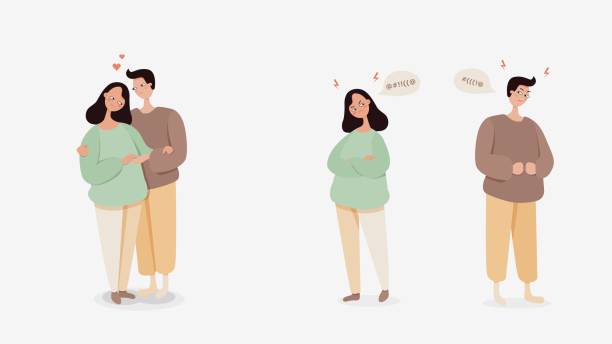
Ever found yourself staring at a sentence like “My wife and I went to the store” or “The teacher gave ...
Read more
Assist With vs. Assist In 🛠️ A Complete Guide to Using Them Correctly
When it comes to English grammar, even small prepositions like “with” and “in” can change the meaning of a sentence ...
Read more
Adapter vs Adaptor Everything You Need to Know

When you’re setting up a new device, reading a tech manual, or writing an article, you might stumble upon adapter ...
Read more
Setup vs. Set Up: Know the Difference and Use Them Like a Pro

Have you ever written setup when you actually meant set up, or vice versa? Don’t worry—you’re far from alone. Even ...
Read more
On a Call vs In a Call: Master the Difference Like a Native Speaker

Have you ever wondered whether it’s correct to say “I’m on a call” or “I’m in a call”? These small ...
Read more
Too Fast or Too Fast? Mastering the Difference in English

Have you ever typed “I ran to fast” and paused, wondering if it was correct? You’re not alone. Many people ...
Read more
Extensible vs Extendible Understanding the Key Differences ⚡️

English can be tricky, especially when words look similar but have subtle differences in meaning. Two such words that often ...
Read more
Drivers License vs Driver’s License Master the Correct Usage 🚗📄
If you’ve ever paused before writing drivers license or driver’s license, you’re not alone. Even seasoned writers get tripped up ...
Read more
Quaff vs Coif Mastering the Meanings, Usage, and History 🍷💇♂️
When you stumble across words like quaff and coif, they can look deceptively simple. At first glance, they seem like ...
Read more
Did You Have vs Did You Had Mastering Past Tense Questions in English 📝
English learners often stumble when forming past tense questions, especially when it comes to “Did you have” and the incorrect ...
Read more