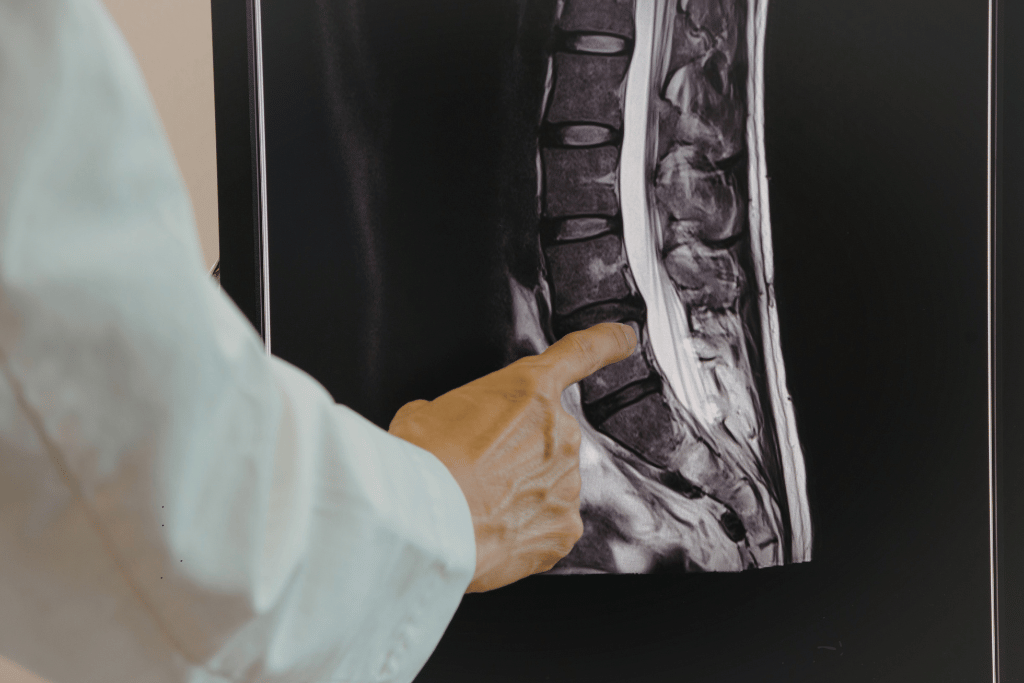
A spinal injury is one of the most life-altering conditions a person can experience. In a matter of seconds—whether from a car accident, fall, or workplace injury—your ability to move, function, and earn a living can change completely.
For many people, the biggest concern isn’t just recovery—it’s how they’ll continue working and supporting themselves. The reality is that spinal injuries don’t just affect your health; they directly impact your ability to perform even the most basic job tasks.
Let’s take a closer look at how spinal injuries can affect your work life, both in the short term and long term—and how a spinal injury claim lawyer can help you understand your rights and options.
Understanding Spinal Injuries
The spine plays a critical role in almost every movement your body makes. It supports your posture, allows flexibility, and protects the spinal cord, which connects your brain to the rest of your body.
Spinal injuries can range from:
- Herniated discs and nerve compression
- Fractured vertebrae
- Spinal cord injuries leading to partial or complete paralysis
Even what seems like a “minor” back injury can lead to serious complications if nerves are involved.
Immediate Impact on Your Ability to Work
After a spinal injury, most people are unable to work right away. The pain alone can make it difficult to sit, stand, or move comfortably.
Some immediate challenges include:
- Severe pain and inflammation
- Limited mobility
- Muscle weakness
- Difficulty maintaining posture
- Need for surgery or intensive treatment
If your job requires physical activity—like lifting, walking, or standing—you may be completely unable to perform your duties during recovery.
Even desk jobs can become difficult. Sitting for long periods can worsen back pain, and focusing on tasks becomes harder when you’re dealing with constant discomfort.
Physical Limitations That Affect Job Performance
Spinal injuries often come with long-term physical restrictions that make returning to work difficult.
1. Reduced Mobility
You may struggle with bending, lifting, twisting, or even walking. Jobs that require physical effort become nearly impossible.
2. Chronic Pain
Many people experience ongoing pain even after treatment. This can affect your concentration, productivity, and ability to stay consistent at work.
3. Loss of Strength
Muscle weakness, especially in the back and limbs, can limit your ability to perform routine tasks.
4. Paralysis (in severe cases)
In serious spinal cord injuries, partial or full paralysis can prevent you from returning to most types of employment.
Impact on Different Types of Jobs
The type of work you do plays a big role in how much a spinal injury affects you.
Physically Demanding Jobs
If you work in construction, delivery, healthcare, or any labor-intensive field, a spinal injury can end your ability to continue in that role.
Office Jobs
While less physically demanding, office jobs still require sitting for long hours, typing, and focus—all of which can be difficult with chronic pain or nerve issues.
Self-Employment
If you run your own business, the impact can be even more severe since your income often depends entirely on your ability to work.
Emotional and Mental Impact
Spinal injuries don’t just affect your body—they take a toll on your mental health too.
Many individuals experience:
- Anxiety about their future
- Depression due to loss of independence
- Stress from financial pressure
- Frustration with physical limitations
These emotional challenges can further impact your ability to return to work or stay productive.
Long-Term Work Limitations
Even after recovery, many people never return to their previous level of work.
You may face:
- Reduced working hours
- Need for job modifications
- Career changes
- Early retirement
In some cases, individuals are permanently unable to work and must rely on disability benefits or compensation.
The Need for Workplace Adjustments
Some people can return to work with adjustments, such as:
- Ergonomic chairs and workstations
- Reduced hours or flexible schedules
- Light-duty tasks
- Remote work options
However, not all employers can provide these accommodations, and not all injuries allow for a successful return.
Financial Consequences
One of the biggest impacts of a spinal injury is financial.
You may deal with:
- Loss of income
- Ongoing medical expenses
- Rehabilitation costs
- Assistive devices or home modifications
This financial strain can quickly become overwhelming, especially if you’re unable to work for an extended period.
Legal and Compensation Options
If your spinal injury was caused by an accident or someone else’s negligence, you may be entitled to compensation.
This can include:
- Lost wages
- Medical expenses
- Pain and suffering
- Future loss of earning capacity
In many cases, working with a personal injury or disability lawyer can help you understand your rights and maximize your claim.
Final Thoughts
A spinal injury doesn’t just affect your health—it can completely change your ability to work and maintain financial stability. From physical limitations to emotional stress and long-term career changes, the impact is far-reaching.
If you or someone you know is dealing with a spinal injury, it’s important to understand both the medical and financial implications. Knowing your options—whether it’s workplace accommodations, disability benefits, or legal compensation—can make a significant difference in how you move forward.
