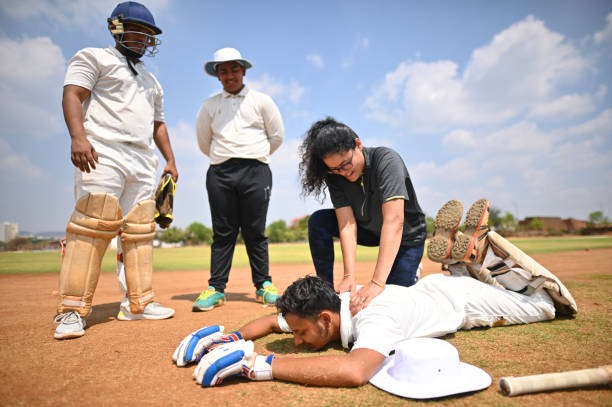
There is a particular kind of patient who walks into a clinic not because something has broken catastrophically, but because something has quietly stopped working. A runner whose knee aches after three miles. A footballer whose hamstring never quite recovered. A swimmer whose shoulder clicks on every stroke. These are the patients sports medicine was built for — and understanding this discipline deeply matters more now than ever.
What Sports Medicine Actually Encompasses
Sports medicine is far broader than many clinicians assume. It covers the prevention, diagnosis, treatment, and rehabilitation of injuries related to physical activity across all age groups and performance levels. The discipline integrates musculoskeletal medicine, exercise physiology, orthopaedics, nutrition science, and sports psychology into a cohesive care model. In the UAE, practitioners now work across NHS trusts, private clinics, professional sporting organisations, and academic institutions. The clinical scope includes tendinopathy management, stress fracture assessment, concussion protocols, return-to-sport decision making, and exercise prescription for conditions such as type 2 diabetes and cardiovascular disease.
The Musculoskeletal Core of Sports Medicine Practice
Musculoskeletal injury management forms the backbone of sports medicine. Clinicians assess biomechanical dysfunction, identify movement pattern deficiencies, and interpret imaging in the context of a patient’s physical demands. Treating the scan rather than the patient remains a common pitfall.
Overuse injuries represent a significant proportion of the caseload. Conditions such as patellar tendinopathy and medial tibial stress syndrome develop gradually and respond poorly to rest alone. Current evidence supports load management strategies and progressive tendon-loading programmes rather than prolonged immobilisation. Acute traumatic injuries require rapid assessment and confidence in distinguishing cases needing urgent orthopaedic referral from those suited to conservative management.
Exercise as Medicine: A Clinical Priority
One of the most significant shifts in sports medicine is the formalisation of exercise prescription as a therapeutic tool. The evidence supporting structured physical activity in managing depression, osteoporosis, heart failure, and metabolic syndrome is now robust enough that clinicians who overlook it are not offering optimal care.
Exercise as medicine requires understanding dosing principles — frequency, intensity, duration, and mode — alongside contraindications and behaviour change support. For providers working with sedentary populations, sports medicine principles offer practical tools to move patients toward sustainable physical engagement. The cost of inactivity to the NHS runs into billions annually — a figure that evidence-based exercise prescription can meaningfully reduce. Recovery timelines shorten further when a quality physiotherapy hospital in Dubai or a specialist NHS physiotherapy service forms part of that integrated pathway.”
Concussion Management: Getting It Right Every Time
Concussion science has advanced rapidly. The recognition that concussion is a functional brain injury — not always visible on neuroimaging — has shifted assessment toward symptom-based tools and graduated return-to-play protocols. The SCAT6 remains the most widely validated instrument for acute sideline assessment.
Inconsistency in applying concussion protocols outside elite sport remains a serious concern. At grassroots level, the “if in doubt, sit it out” principle is not universally followed, and premature return risks catastrophic outcomes including second impact syndrome. The long-term consequences of repeated subconcussive impacts — including chronic traumatic encephalopathy (CTE) — support a precautionary approach to minimising unnecessary head contact.
Why Multidisciplinary Collaboration Defines Excellent Sports Medicine Care
The best outcomes emerge when physicians, physiotherapists, strength and conditioning coaches, sports psychologists, dietitians, and orthopaedic surgeons work collaboratively. In well-developed sports medicine environments — including dedicated sports injury clinics in the UAE or a leading sports medicine hospital in Dubai — patients benefit from seamless access to imaging, rehabilitation, and performance support within a single care pathway. Communication and shared decision-making remain the skills that most directly shape patient outcomes.
Prevention: The Most Underutilised Dimension of Sports Medicine
Injury prevention programmes offer one of the strongest returns in sports medicine. The FIFA 11+ warm-up has demonstrated consistent reductions in lower limb injuries, while programmes targeting hamstring strength and landing mechanics show strong evidence in reducing ACL incidence. Implementation remains a challenge — practitioners who communicate prevention strategies accessibly and build trust with coaching staff are far more likely to see consistent adoption.
Closing Thoughts
Sports medicine continues to evolve, drawing on advances in imaging, regenerative medicine, wearable monitoring, and nutritional science. The discipline ultimately asks a simple question: how do we help people perform and live better in their bodies? Answering it well demands clinical rigour, collaborative practice, and a genuine commitment to meeting patients where they are.
