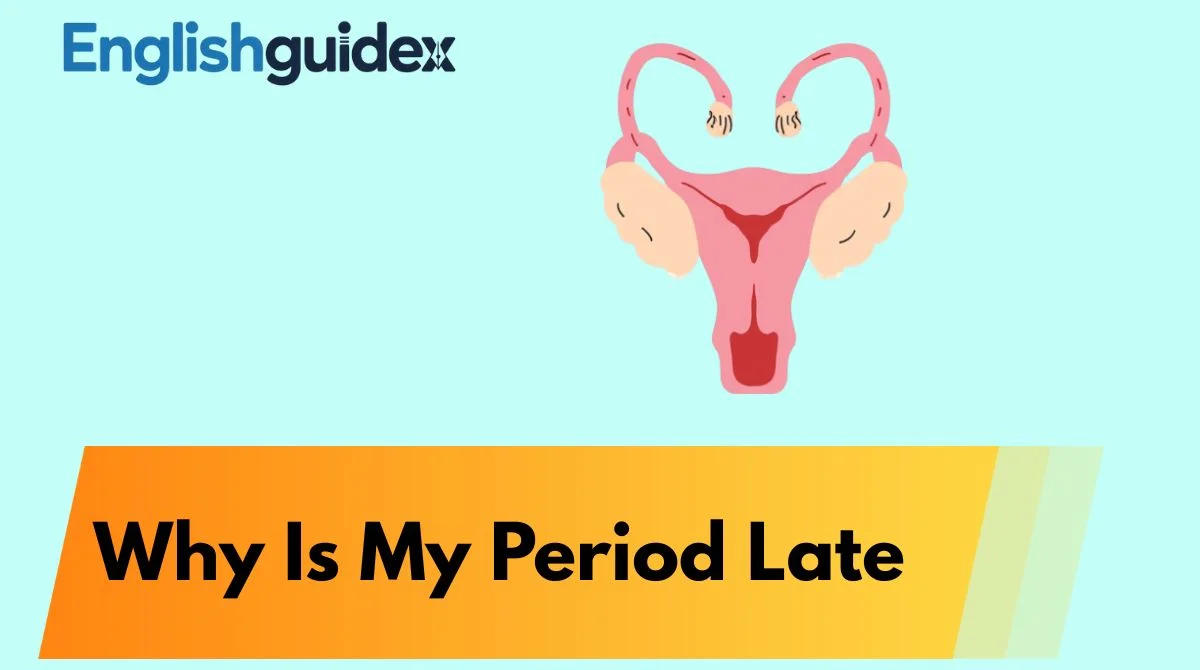
Many people search “why is my period late” because a late period can feel scary, confusing, or stressful.
You may worry about pregnancy, health problems, or changes in your body. The truth is, late periods are very common and often harmless.
Even small changes in daily life can affect your menstrual cycle.
Quick Answer
Your period can be late due to stress, hormonal changes, pregnancy, weight changes, illness, travel, or changes in routine. A late period does not always mean something is wrong.
Most menstrual cycles are not perfectly regular. A few days late is usually normal. This article explains the common reasons in simple language, when to relax, and when it may be smart to take action.
The goal is to help you feel informed, calm, and confident about your body.
5️⃣ Main Explanation
A menstrual cycle is controlled by hormones. These hormones tell your body when to release an egg and when to shed the uterus lining (your period). If these hormones change even a little, your period can come late.
A “normal” cycle can be anywhere from 21 to 35 days for adults and even longer for teens. Your cycle may not arrive on the same date every month. Many healthy people have late periods sometimes.
Being late does not always mean pregnancy or illness. Often, your body is just reacting to life changes like stress, sleep, food, or travel.
6️⃣ Main Reasons
Stress and Anxiety
Stress is one of the most common answers to why is my period late. Emotional stress tells your brain to focus on survival, not reproduction. This can delay ovulation, which delays your period.
Examples of stress include:
- Exams or work pressure
- Family problems
- Anxiety or panic
- Poor sleep
Even short-term stress can affect your cycle.
Pregnancy
Pregnancy is another common reason for a late period. If you had unprotected sex, pregnancy is possible, even if your cycle is usually regular.
Early pregnancy signs may include:
- Missed period
- Nausea
- Breast tenderness
- Fatigue
A home pregnancy test can give an early answer. Testing after a missed period is more accurate.
Hormonal Changes
Hormones change often, especially during:
- Puberty
- After stopping birth control
- Breastfeeding
- Perimenopause (late 30s–40s)
These changes can make periods late, early, lighter, or heavier. Hormonal imbalance does not always mean disease. Many times, it corrects itself.
Weight Changes or Diet
Sudden weight loss or weight gain can delay your period. Your body needs enough energy to maintain a regular cycle.
Possible triggers include:
- Extreme dieting
- Skipping meals
- Eating disorders
- Heavy exercise
Very low body fat can stop ovulation. This makes periods late or missed.
Illness or Medications
Being sick can delay your cycle. Fever, infection, or chronic illness puts stress on the body.
Some medicines can also affect periods, such as:
- Emergency contraception
- Antidepressants
- Hormonal birth control
- Steroids
Periods usually return to normal after recovery.
Travel and Routine Changes
Traveling across time zones or changing daily habits can confuse your internal clock.
Examples:
- Long flights
- Night shifts
- Jet lag
- Irregular sleep
Your body likes routine. When routine changes, your cycle may change too.
7️⃣ When To Worry / When To Take Action
Most late periods are not dangerous. But it may be time to check further if:
- Your period is late for more than 2 months
- You miss periods often
- You have severe pain or heavy bleeding
- You notice sudden hair growth or acne
- You feel dizzy, weak, or unwell
If pregnancy is possible, take a test. If symptoms continue, a doctor can help check hormones or overall health.
This is educational information, not medical advice.
8️⃣ Real-Life Examples or Daily Life Connection
Many people experience late periods during exams, job changes, or emotional stress. For example, a student under exam pressure may miss a period for one month, then return to normal later.
Someone who starts intense workouts may notice delays. A traveler crossing countries may skip a cycle. These situations are common and usually temporary.
Understanding your lifestyle helps you understand your cycle better.
9️⃣ Latest Facts / Research / Trends
Recent health studies show that stress and sleep problems are top causes of irregular periods worldwide. Doctors now focus more on lifestyle factors before medical treatment.
Tracking apps are also helping people notice patterns. Many users find their cycle changes with stress, diet, and sleep rather than illness.
Modern research supports that menstrual health reflects overall body health, not just reproductive health.
🔟 FAQs
1. Can stress really delay my period?
Yes. Stress can delay ovulation, which delays your period.
2. How late is considered normal?
A delay of a few days to one week is usually normal.
3. Can a period be late without pregnancy?
Yes. Many late periods happen without pregnancy.
4. Should I take a pregnancy test?
If you had unprotected sex and your period is late, testing is helpful.
5. Can exercise delay periods?
Very intense or sudden exercise changes can delay periods.
11️⃣ Conclusion
If you are asking why is my period late, remember that you are not alone. Late periods are very common and often linked to stress, lifestyle changes, hormones, or temporary body responses. A late period does not automatically mean pregnancy or serious health problems.
Listening to your body, tracking your cycle, and noticing changes can help you understand patterns over time. Small adjustments like better sleep, balanced meals, and stress control often bring cycles back to normal.
If your period stays late for many months or comes with unusual symptoms, professional advice can help. Most of the time, your body just needs care, patience, and balance.

David Jonson is an experienced English language writer who specializes in clear, practical, and learner-friendly content. He helps students and professionals improve their communication skills with confidence.